

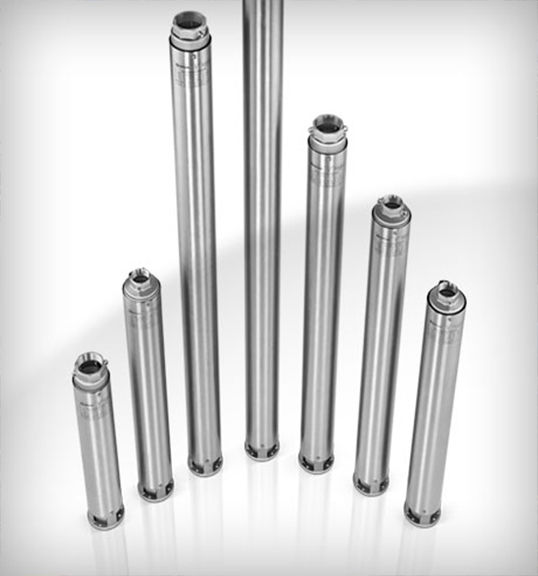
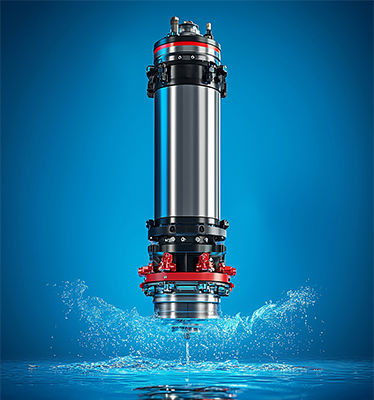
A vertical turbine pump is a type of pump commonly used in applications where large volumes of water must be drawn from deep sources or reservoirs. It differs from other pumping systems through its vertical configuration, in which the hydraulic stages are submerged in the liquid while the motor is generally positioned at the top of the system. Vertical turbine pumps can play an important role in water supply, agricultural irrigation, industrial processes, and various infrastructure applications.
One of the main reasons these pumps are preferred is their ability to be configured for different flow rate and head requirements. The number of pump stages and hydraulic characteristics can be determined according to the needs of the application. However, selecting the right vertical turbine pump requires more than examining capacity values alone. Water level, installation depth, piping configuration, and system operating conditions must be evaluated together.
How Does a Vertical Turbine Pump Work?
In vertical turbine pumps, the hydraulic section of the pump is generally located inside the water source. The rotational motion generated by the motor is transmitted to the pump impellers through a long shaft assembly. As the impellers rotate, they transfer energy to the water, allowing the liquid to move upward through the pump stages.
In systems with multiple stages, each stage increases the energy of the water, helping achieve higher heads. This configuration can provide significant advantages, particularly in applications where the water level is well below the surface. However, due to the mechanical characteristics of the system, proper shaft alignment and installation quality are essential for reliable performance.
Applications of Vertical Turbine Pumps
Vertical turbine pumps are frequently used in municipal water supply, agricultural irrigation, and large-scale water transfer applications. Their vertical configuration provides an important advantage in projects requiring large volumes of water to be drawn from deep wells or open water sources. Different pump configurations can be considered, particularly in systems requiring operation across a wide range of flow rates.
Industrial process water supply, power generation facilities, cooling systems, and various infrastructure projects are also among the applications where vertical turbine pumps can be used. Since each application has different operating conditions, the hydraulic and mechanical characteristics of the pump must be selected according to the system requirements.
Advantages of Vertical Pump Design
One of the major advantages of vertical pump design is the reduced horizontal floor space required within a facility. Since a large portion of the pump is located inside the well or water source, the surface area required may be smaller than in some other pumping systems. This feature can be particularly valuable in large facilities with limited available space.
The ability to configure vertical turbine pumps with different numbers of stages also provides significant flexibility. A suitable configuration can be developed according to the required flow rate and head. However, this flexibility must be supported by proper engineering evaluation, as the same pump configuration should not be assumed to be suitable for every application.
How Are Flow Rate and Head Determined?
When selecting a vertical turbine pump, the first step is to determine the flow rate required by the system. The amount of water needed varies depending on the application, such as water supply, irrigation, or industrial use. Pump capacity must be determined according to actual demand, while also considering the sustainable flow rate that the water source can provide.
When determining the required head, the elevation difference between the water level and the delivery point must be considered together with friction losses in the piping system and the required discharge pressure. These values are evaluated collectively to determine the total system head and select the appropriate pump performance curve.
Why Are the Motor and Shaft System Important?
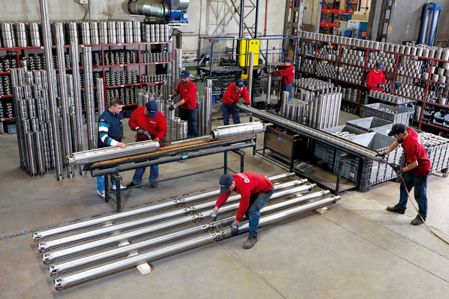
In vertical turbine pumps, the mechanical connection between the motor and the pump is one of the most important components of the system. The rotational motion produced by the motor is transmitted to the pump impellers through the shaft assembly. Therefore, proper shaft alignment, correct bearing operation, and overall mechanical balance are essential.
Installation errors in long shaft systems can lead to problems such as vibration or wear over time. Therefore, not only the hydraulic performance but also the mechanical structure of the pump must be carefully evaluated. Proper installation and regular maintenance are critical to the reliability of vertical shaft pumping systems.
The Importance of Material Selection
The chemical and physical properties of the water being pumped can influence the selection of materials. While various standard material options may be sufficient for clean water applications, more durable materials may be required for liquids with abrasive or corrosive properties.
Material selection can also affect maintenance intervals and pump service life. Ensuring that pump components are compatible with the operating environment is important for long-term performance. Therefore, product selection should consider not only the initial investment cost but also the system's total service life.
How Can Energy Efficiency Be Achieved?
In high-capacity pumping systems, energy consumption can account for a significant share of operating costs. Therefore, selecting a vertical turbine pump that operates at a suitable duty point for the system requirements is essential. An oversized pump may increase energy consumption and cause the system to operate outside its ideal performance range.
More efficient operation can be achieved by evaluating the pump performance curve, motor efficiency, piping configuration, and control system together. Particularly in systems that operate for extended periods, even small improvements in efficiency can produce meaningful reductions in total energy costs.
General Approach to Vertical Turbine Pump Selection
When selecting the right vertical turbine pump, the water source, flow rate, head, installation depth, and operating conditions are the primary criteria. Motor power, shaft system, material selection, and maintenance accessibility must also be evaluated. A pump's ability to provide high capacity alone does not mean it is ideal for a particular system.
A well-designed system delivers water to the required location while maintaining balanced and reliable operation. Proper product selection and professional system design provide benefits that extend far beyond the initial investment and continue for many years. For this reason, vertical turbine pump selection should be approached through comprehensive engineering evaluation.

Do Comment